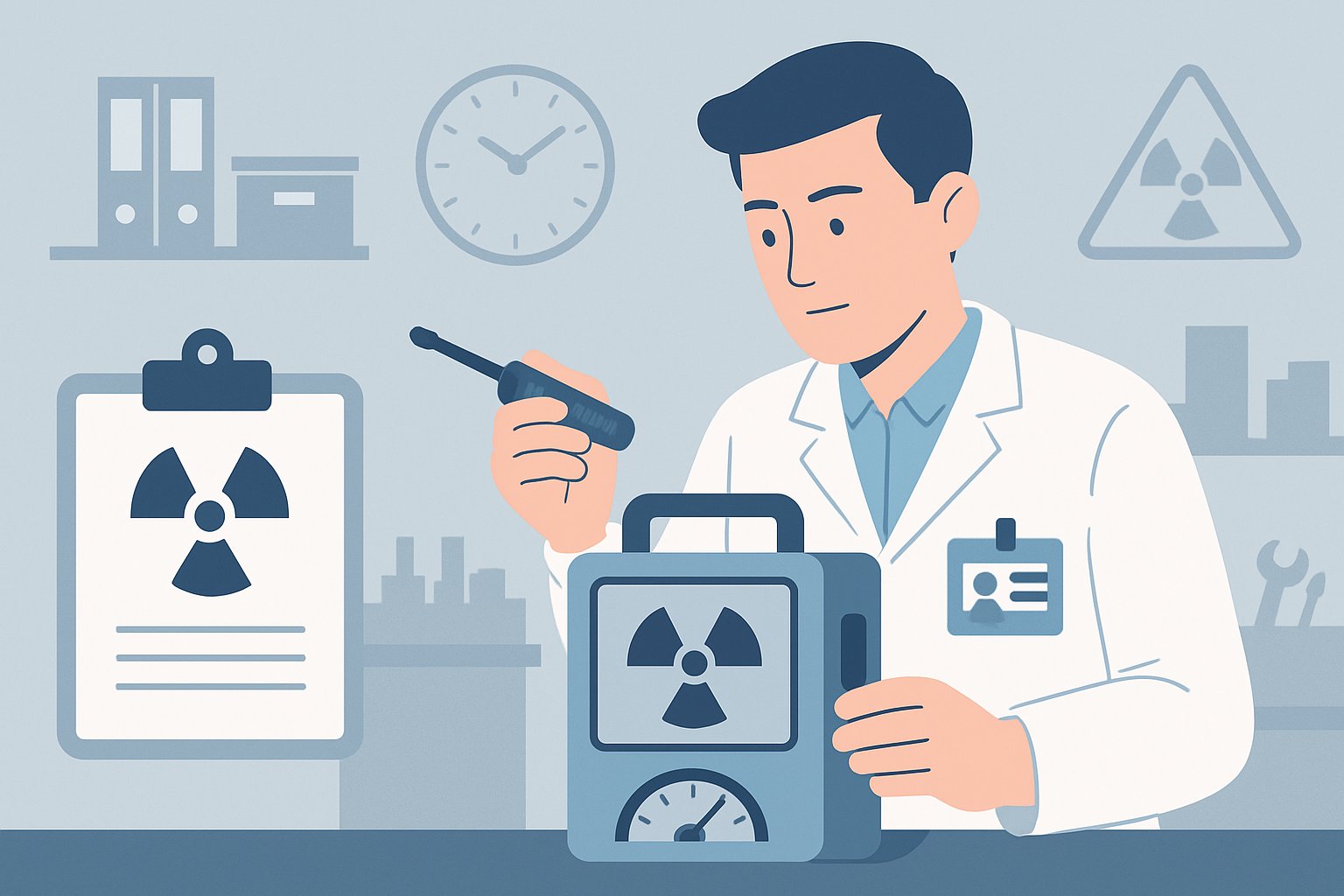
Radiation Detection Equipment Maintenance Standards
Radiation detection equipment forms the backbone of nuclear safety infrastructure across Europe. These instruments must maintain precise calibration and functional integrity to ensure accurate dose measurement, contamination monitoring, and environmental surveillance. Maintenance standards for detection equipment represent a critical component of radiation protection programs, directly influencing the reliability of safety data and compliance with regulatory frameworks. This article examines the essential maintenance protocols, calibration requirements, and quality assurance procedures that govern radiation detection equipment in European nuclear facilities and research institutions.
Calibration Requirements and Frequency Standards
Radiation detection equipment requires periodic calibration to maintain measurement accuracy within acceptable tolerances. European standards establish specific calibration intervals based on equipment type, usage intensity, and environmental conditions. Ionization chambers, proportional counters, and scintillation detectors each demand distinct calibration protocols tailored to their operational characteristics and detection principles.
Primary calibration procedures involve exposing detection equipment to known radiation sources of certified activity levels. This process establishes the relationship between instrument response and actual radiation dose rate or activity concentration. Secondary calibration methods provide verification between primary calibrations, ensuring equipment maintains accuracy during operational periods. The frequency of calibration depends on regulatory requirements, manufacturer specifications, and organizational safety policies. Most European regulatory bodies recommend annual calibration for routine monitoring equipment, with more frequent intervals for high-use instruments or those employed in critical safety applications.
Documentation of calibration activities constitutes an essential aspect of maintenance standards. Records must include calibration dates, source specifications, measured values, acceptance criteria, and any corrective actions undertaken. This documentation supports traceability requirements and provides historical data for trend analysis. When equipment fails calibration criteria, immediate removal from service and corrective maintenance become mandatory before return to operational status.
Preventive Maintenance Programs and Performance Testing
Effective maintenance standards incorporate comprehensive preventive programs designed to identify potential failures before they compromise measurement capability. These programs include routine inspections, functional tests, component replacement schedules, and environmental monitoring. Preventive maintenance reduces unexpected equipment failures and extends operational lifespan while ensuring consistent performance.
Functional testing protocols verify that detection equipment responds appropriately to radiation exposure without requiring full calibration procedures. Daily operational checks confirm basic functionality, while weekly or monthly comprehensive tests assess detector response, electronic stability, and data recording systems. These routine tests identify degradation trends and inform maintenance scheduling decisions. Organizations implementing robust preventive maintenance programs typically experience fewer measurement errors and reduced downtime compared to reactive maintenance approaches.
Environmental factors significantly influence detection equipment performance and maintenance requirements. Temperature fluctuations, humidity variations, electromagnetic interference, and physical vibration can degrade accuracy or cause equipment malfunction. Maintenance standards address environmental controls through facility design specifications, equipment placement guidelines, and environmental monitoring protocols. Facilities must maintain appropriate climate conditions and minimize sources of interference to ensure equipment operates within design parameters. Understanding Reactor Physics Safety Principles and Applications helps personnel recognize how detection equipment contributes to broader safety systems and why maintenance precision matters for overall facility safety.
Quality Assurance and Regulatory Compliance
European regulatory frameworks establish mandatory quality assurance requirements for radiation detection equipment maintenance. These requirements ensure consistency across member states and facilitate mutual recognition of measurement data. Quality assurance programs encompass equipment qualification, personnel training, documentation systems, and periodic audits.
Personnel responsible for equipment maintenance and calibration must possess appropriate qualifications and training. Training programs must address equipment-specific procedures, calibration methodologies, safety protocols, and regulatory requirements. Competency assessment ensures personnel maintain current knowledge of evolving standards and emerging technologies. Organizations should consider how Training Effectiveness Evaluation Methodologies can assess whether maintenance personnel possess sufficient competency for their assigned responsibilities.
Quality assurance audits verify that maintenance activities comply with established standards and organizational procedures. Internal audits conducted by qualified personnel identify deviations and opportunities for improvement. External audits by regulatory authorities or independent certification bodies provide independent verification of compliance. Audit findings drive continuous improvement initiatives and ensure maintenance programs remain current with regulatory expectations.
Integration of detection equipment maintenance into broader organizational safety management systems strengthens overall radiation protection effectiveness. Coordination with Safety Committee Structures and Decision Processes ensures maintenance activities receive appropriate oversight and resources. Additionally, maintenance data contributes to Contamination Spread Modeling and Predictive Analysis by ensuring accurate input data for environmental monitoring and dose assessment calculations.
Radiation detection equipment maintenance standards represent essential infrastructure for nuclear safety and radiation protection in Europe. Through rigorous calibration procedures, comprehensive preventive maintenance programs, and robust quality assurance systems, organizations ensure their detection equipment maintains measurement accuracy and reliability. Adherence to established standards protects workers, the public, and the environment while supporting regulatory compliance and organizational safety culture. Continuous refinement of maintenance practices, informed by operational experience and technological advancement, strengthens the effectiveness of radiation protection programs across European nuclear facilities and research institutions.